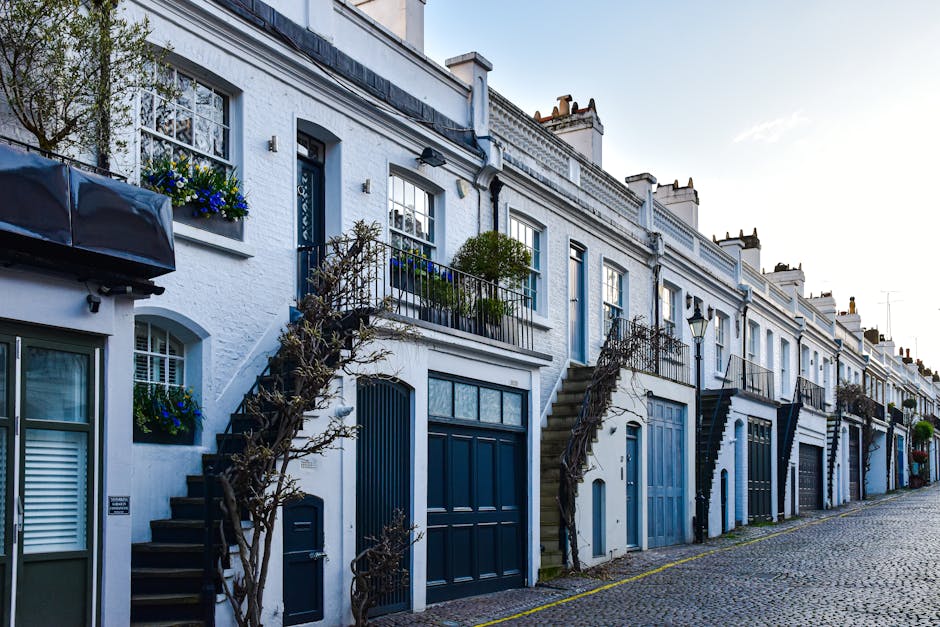
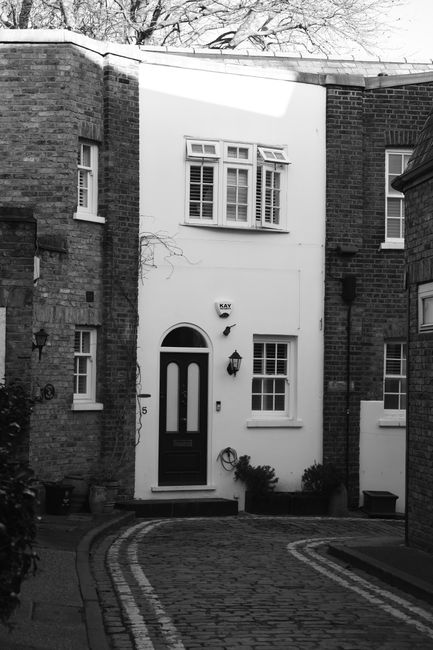
Gardeners for narrow Tooting mews common access problems solved
If you live in a narrow Tooting mews, you already know the awkward bit is often not the garden itself. It is the access. The side gate is tight, the passageway is shared, the bins are in the way, and somehow the hedge always seems to grow just where a wheelbarrow wants to turn. Gardeners for narrow Tooting mews common access problems solved is really about making the work possible without turning your home into a construction site.
That means smart planning, compact tools, careful movement through shared spaces, and a method that respects neighbours, surfaces, and your time. In this guide, we will walk through the common access headaches, how experienced gardeners handle them, what to expect on the day, and where the practical wins usually come from. To be fair, once the access puzzle is sorted, everything else gets easier fast.
Why Gardeners for narrow Tooting mews common access problems solved Matters
Narrow mews properties in Tooting tend to share a few traits: limited turning space, close neighbours, hard-to-reach rear gardens, and access routes that were never designed for bulky modern kit. That matters because garden work is physical. A lawn mower, hedge trimmer, soil bags, clippings, and waste sacks all need to get in and out somehow.
When access is poor, small jobs become slow jobs. A simple lawn tidy can turn into a chain of tiny delays: moving a bike, waiting for a neighbour to pass, squeezing past a delivery, then doing it all again with green waste. In our experience, the real cost is not just labour. It is disruption. The more awkward the access, the more likely a job gets postponed, rushed, or done in a way that leaves the space looking half-finished.
That is why the best gardeners approach narrow mews work almost like logistics. They plan movement routes, reduce the number of trips, choose compact tools, and keep the work sequence tight. A good result is not only about plant care. It is about getting the right people, right kit, and right method into a tight space without drama.
Practical takeaway: in a narrow mews, the gardener who solves access first is usually the gardener who delivers the cleanest finish, the least disruption, and the smoothest day for everyone involved.
And yes, sometimes the biggest difference is a pair of strong, quiet gloves and a very sensible wheelbarrow. Not glamorous, but effective.
How Gardeners for narrow Tooting mews common access problems solved Works
The process usually starts before anyone arrives on site. A competent team will ask how access works: is there a shared passage, a side return, a locked gate, a basement route, or a narrow path with steps? They may also ask where waste can be stored temporarily, where tools can be staged, and whether there are any time restrictions from neighbours or building management.
From there, the job is broken into smaller parts. Instead of bringing one oversized setup, experienced gardeners will often use lighter, modular equipment that can be carried through a tight route. That might mean battery tools instead of a bulky petrol setup, collapsible bags for clippings, or hand tools for detail work where a mower simply will not fit.
The sequence matters too. For example, if a hedge is overhanging a narrow passage, it is often trimmed first so the access route gets better as the job goes on. If a lawn is patchy and boxed in by borders, waste is bagged early so it does not block movement later. Little things. But they save time.
Good communication is another part of how this works. If the gardener needs a gate held open, a parking space kept clear, or a neighbour warned about noise, that should be agreed before the first cut or prune. It sounds obvious, but on busy London streets obvious things get missed all the time.
For larger or more complex gardens, access solutions often sit within a wider plan that includes garden maintenance, hedge trimming, and sometimes garden clearance. If the layout is especially awkward, a broader services overview can help you see how the work fits together without overcomplicating it.
Key Benefits and Practical Advantages
The biggest benefit is simple: the garden gets done properly, even if the access is awkward. But there are a few more wins worth spelling out.
- Less disruption: careful planning means fewer trips through shared spaces and less chance of blocking the mews.
- Better finish: when gardeners are not fighting the access route, they can spend more time on the work itself.
- Lower risk of damage: tight routes and narrow gates can scratch doors, chip paint, or scuff paving if the team is not organised.
- Cleaner waste handling: clippings, cuttings, and soil can be removed more efficiently, which helps the whole property feel tidier.
- Improved neighbour relations: fewer surprises, less noise chaos, and a tidier shared access point usually make everyone happier. Usually.
There is also a subtle but important benefit: confidence. Once you know the access problem has been thought through, you stop worrying about whether the job will be too messy or too disruptive. That peace of mind is worth a lot, especially if you are juggling work, family, or a flat that looks straight onto the shared passage.
Where the garden includes decking, uneven surfaces, or slippery side paths, a team that already understands the site can also slot in related tasks such as decking services or broader landscaping if the space needs a more practical layout. Sometimes access problems are really design problems wearing a disguise.
Who This Is For and When It Makes Sense
This approach makes sense for anyone with limited or shared access, but it is especially useful for:
- mews houses with narrow side returns
- terraced homes with rear garden access only
- courtyard gardens reached through shared hallways or passageways
- properties with restricted parking or loading space
- older homes where gates, steps, or tight corners slow down movement
- landlords or managing agents who need a tidy, repeatable routine
It also makes sense if you have tried to keep on top of the garden yourself and found the access harder than the gardening. That is a common story. You buy a bag of compost, realise the path is too narrow for anything decent-sized, then spend twenty minutes doing an improvised shuffle with a broken rake and a determination that fades quickly. We have all been there in one form or another.
For routine upkeep, lawn mowing and regular maintenance are usually enough. If shrubs are blocking the route, hedge trimming may need to come first. If trees are overhanging walls or reducing daylight in a tight space, tree lopping and removal may be part of the wider solution. The point is to match the service to the access issue, not the other way round.
Step-by-Step Guidance
If you are arranging work for a narrow mews property, a simple process keeps things calm.
- Assess the route. Measure gates, passage widths, steps, bends, and any low obstacles. Even a small overhang can make a big difference.
- Identify pinch points. These are the spots where one person can pass, but not a person plus a mower, bag, or trug.
- Decide what needs clearing before the main work. It may be bicycles, bins, pots, furniture, or overgrown stems that block movement.
- Choose the right equipment. Lightweight, quiet, compact kit usually works better in a confined mews than heavy machines.
- Set the sequence. Start with access-improving work first: cut back the hedge, remove bulky waste, then move to finer detail.
- Protect surfaces. Use care around paving, painted gates, timber decking, and thresholds. Soft contact points matter more than people think.
- Remove waste efficiently. Bag as you go where practical. Piles left in a narrow route become obstacles very quickly.
- Finish with a final walk-through. Check that the route is clear, the shared area is tidy, and nothing has been left awkwardly placed.
There is a quiet art to this. Not complicated, just thoughtful. And thoughtful beats frantic every time.
If the job involves a deeper reset, you may also want a team that can handle landscape gardening or a full clearance before the maintenance routine begins. That way, the access route is improved once, then kept manageable.
Expert Tips for Better Results
Here is where the small gains add up.
- Use quieter kit where possible. In close mews settings, noise carries. Battery tools are often friendlier for neighbours and less stressful for everyone.
- Stage materials close to the work zone. Do not keep walking the same route for every tool and bag if you can avoid it.
- Work from the hardest access point inward. That way, the route improves as the job progresses.
- Trim before you transport. Long branches and floppy clippings are awkward in tight passages. Cut them down early.
- Keep one hand free when carrying. It sounds basic, but it helps with gates, corners, and sudden balance shifts.
- Plan for weather. A damp narrow path in the morning can become slippery, especially near shaded walls or old paving.
A small, useful habit: take a quick look at the whole route before lifting anything. Half a minute now can save five minutes of awkward sidestepping later. That is the kind of unexciting advice that genuinely works.
If you are comparing providers, ask whether they have experience with tight access jobs, whether they protect surfaces, and how they handle waste on small-footprint sites. Reputable teams will be happy to talk through the method. If the answer sounds vague, that tells you something.
Common Mistakes to Avoid
Access problems are often made worse by the way the job is approached. The usual mistakes are predictable, which is helpful because predictable means avoidable.
- Bringing oversized equipment: if a mower barely fits, it will probably slow the job down more than it helps.
- Ignoring shared-space etiquette: a narrow mews often involves neighbours, deliveries, and communal movement. Respect the shared environment.
- Starting before the route is clear: this is how small jobs become clumsy ones.
- Leaving clippings in the passage: a temporary pile in a tight space quickly becomes a trip hazard.
- Skipping a final check: one forgotten bag or stray branch can make the whole place feel untidy.
- Assuming access will "just work out": it rarely does. Not in a narrow mews, anyway.
A common one, truth be told, is underestimating how long waste removal takes. The garden may be small, but if every bag has to be carefully navigated around a bike rack and a gate latch, time disappears fast. That is normal. The solution is not rushing; it is planning.
Tools, Resources and Recommendations
You do not need a shed full of specialist kit to make narrow-access gardening work, but the right selection helps a great deal.
| Need | Useful approach | Why it helps in a narrow mews |
|---|---|---|
| Cutting back overgrowth | Hand pruners, compact hedge trimmers, lightweight saws | Easier to manoeuvre through gates and corners |
| Lawn care | Small mower or compact battery mower | Better for tight storage and repeated movement |
| Waste handling | Strong bags, trugs, small bins, layered loading | Reduces blocking in shared access routes |
| Surface protection | Careful lifting, temporary boards where appropriate, soft handling | Helps avoid scratches and scuffs |
| General tidy-up | Leaf rakes, sweeping tools, secateurs, gloves | Keeps the finish neat without bulky equipment |
For many homes, a planned maintenance routine is better than a one-off rescue. That is where garden maintenance and occasional clearance work well together. If the garden is part of a larger property improvement plan, you may also want to explore landscaping or even a more structural change through decking services where the layout would genuinely benefit from a cleaner, more usable surface.
On the trust side, it is sensible to look at practical business pages too. A company's health and safety policy, insurance and safety approach, and recycling and sustainability commitments tell you a lot about how carefully they work on-site.
Law, Compliance, Standards, or Best Practice
For narrow mews work, the most relevant advice is usually practical best practice rather than anything overly technical. If a route is shared, the team should behave with the same care you would expect from any contractor working near neighbours, common areas, or private entrances.
That normally means:
- keeping walkways as clear as possible
- avoiding avoidable noise where quieter tools are suitable
- being careful with sharp tools in confined spaces
- using sensible manual handling techniques
- protecting surfaces and fixtures from accidental damage
- removing waste in a tidy, controlled way
In the UK, safe working practices and adequate insurance are sensible expectations for any trade visit. You do not need a lecture on the subject, but you do need reassurance that the team has thought about risk. If a gardener cannot explain how they handle access safely, that is a warning sign. A polite one, perhaps, but a warning sign all the same.
For businesses and homeowners alike, it is also worth checking the provider's terms and conditions, payment and security approach, and, if needed, their complaints procedure. Clear processes reduce misunderstandings later, especially where access and shared areas are involved.
If you are reviewing the wider business itself, pages like about us and the site's accessibility statement can help you understand how the company presents its standards and customer care.
Options, Methods, or Comparison Table
Not every narrow-access garden needs the same approach. Here is a simple comparison of the main methods.
| Approach | Best for | Pros | Trade-offs |
|---|---|---|---|
| One-off tidy-up | Light overgrowth, manageable access, occasional jobs | Quick, straightforward, low commitment | Does not solve recurring access issues |
| Regular maintenance | Gardens that get messy quickly or are hard to reach | Keeps routes clear and avoids buildup | Needs a schedule |
| Clearance first, maintenance later | Overgrown mews gardens with blocked passages | Creates space for future visits and safer movement | Can take more time upfront |
| Layout improvement or landscaping | Persistent bottlenecks, awkward surfaces, poor flow | Can permanently improve usability | May involve more planning and investment |
The right answer is usually not the flashiest one. If access is the core issue, then clearing and simplifying the space often beats trying to work around it forever. Sometimes the neatest solution is also the least dramatic. Which, frankly, is a relief.
Case Study or Real-World Example
Picture a small Tooting mews garden behind a terraced property. The rear access is through a narrow side passage shared with bins and bicycles. The hedge has grown into the walkway, the lawn is tired, and there is a small pile of cut branches that never quite made it to the tip. Nothing disastrous, just awkward.
A sensible approach would start by clearing the route. The hedge gets trimmed back first so the passage opens up. Then the cuttings are bagged in smaller loads rather than one heavy pile. The lawn is mown with a compact machine that can actually turn in the available space. Finally, the edges are tidied by hand and the access route is swept clean so the shared area does not feel like part of the job debris.
The difference is not only visual. The owner can now move through the passage without side-stepping foliage, and the next visit will be easier because the route has been reset. That matters more than people expect. A garden can feel "unmanageable" simply because access has become annoying. Once that changes, the whole space feels lighter.
Now, if the garden had been even tighter, the solution might have shifted toward clearance and a more structured landscape gardening plan. Different problem, different fix. Simple as that.
Practical Checklist
Use this before booking or starting work on a narrow-access mews garden.
- Measure gate widths, path widths, and any tight corners
- Check for shared access points, locks, and neighbour-only routes
- Move bikes, bins, pots, and furniture out of the working line
- Identify where tools and waste can be staged safely
- Ask what equipment will be used and whether it suits the space
- Confirm how clippings and waste will be removed
- Agree any noise-sensitive timing with neighbours if needed
- Protect paving, painted surfaces, and decking where relevant
- Decide whether the job is maintenance, clearance, or a wider layout improvement
- Finish with a final sweep-through so the mews stays tidy
If you can tick most of those off, you are already in much better shape than most awkward-access jobs. It really does make a difference.
Conclusion
Gardeners for narrow Tooting mews common access problems solved is not just a niche phrase. It describes a very real local challenge and a very practical way of dealing with it. The best results come from planning the route, using compact methods, keeping the space clear, and respecting the shared environment around the garden.
Whether you need routine mowing, hedge work, a full clearance, or a more ambitious improvement to the layout, the principle stays the same: solve the access problem first, and the garden becomes far easier to manage. That is the quiet truth of it. Once the bottlenecks are gone, the whole place breathes better.
If you are comparing options, take a look at the team's wider approach to pricing and quotes, and when you are ready, use the contact route that suits you best. A short conversation can save a lot of back-and-forth later, and it is usually worth it.
Get a free quote today and see how much you can save.
Frequently Asked Questions
What makes narrow mews gardens so difficult for gardeners?
The main issue is not the garden itself but the access route. Tight gates, shared passages, bends, steps, and limited storage space make it harder to move tools, waste, and equipment safely and efficiently.
Can a garden still be maintained if the access is very tight?
Yes, in most cases it can. The key is using compact tools, working in a sensible sequence, and keeping the route clear. Some jobs may need a smaller, more frequent maintenance plan rather than large occasional visits.
Do gardeners bring their own equipment for narrow access jobs?
Usually, yes. Experienced gardeners often bring lighter, more manageable tools that suit the property. That might include compact mowers, hand tools, and smaller waste bags rather than bulky kit.
How do gardeners avoid damaging walls, gates, or paving?
By moving carefully, planning the route first, and choosing equipment that fits the space. Good practice also includes keeping tools controlled, avoiding unnecessary dragging, and protecting fragile surfaces where needed.
Is a one-off clearance better than regular maintenance?
It depends on the state of the garden. If access is blocked by overgrowth or clutter, a one-off clearance can be the best first step. If the garden is already manageable, regular maintenance often gives the better long-term result.
What should I tell a gardener before they visit a narrow mews property?
Tell them about gate widths, shared access, locked areas, parking limitations, bins, bikes, steps, and any neighbour concerns. The more accurate the information, the smoother the visit tends to be.
Are battery tools better for narrow access gardens?
Often, yes. They are usually quieter, lighter, and easier to carry through tight spaces. That said, the right tool still depends on the job, so the team should choose equipment based on both access and workload.
Can landscaping help solve access problems permanently?
Sometimes it can. If a garden layout is poorly arranged, landscaping or decking can improve flow, reduce bottlenecks, and make the space easier to maintain over time. It is not always necessary, but it can be a smart long-term fix.
What are the signs that I need hedge trimming before anything else?
If the hedge is narrowing a passage, catching clothing, blocking light, or forcing people to turn sideways, it probably needs to be cut back first. In tight spaces, access-improving work often comes before general tidying.
How do I know if a gardening company is suitable for awkward access jobs?
Look for clear explanations, practical planning, and evidence that they understand safety, insurance, waste handling, and site protection. If they can describe how they would work in a narrow space without sounding vague, that is a good sign.
Will the work be noisy in a shared mews?
Some noise is normal, especially with cutting or clearance work, but a careful team can usually keep disruption reasonable. Quieter tools and sensible timing help a lot, particularly where neighbours are close by.
What is the best first step if my mews garden is completely overgrown?
Start with a clearance-focused approach rather than trying to maintain the space as it is. Once the main access route is opened up, maintenance becomes much easier and much more affordable to keep on top of.
If you want, the next step is simply to ask for a proper look at the access, not just the garden. That one detail changes everything, and it is often the difference between a stressful job and a smooth one. A small space can still be a lovely one, honestly.