Lawn Mowing in Tooting

Keeping a lawn neat in Tooting calls for regular cutting, tidy edging and an approach that suits the grass type, weather and use of the garden. Our lawn mowing service focuses on creating a clean finish that helps the turf look even, controlled and ready for everyday use. We work with routine maintenance and one-off visits, and we can combine mowing with sensible aftercare where that helps the grass stay presentable between visits.
Some lawns need a simple trim, while others benefit from a more careful reset after a period of growth. We can keep to a chosen height, neaten the borders and manage the cuttings in a practical way so the result feels finished rather than rushed. Where a garden includes awkward access, mixed surfaces or narrow strips of grass, the work is planned to suit the space. Our aim is a tidy, consistent result that supports the overall look of the garden.
If you are comparing options, it helps to think about how often the lawn is used, whether it needs edging as well as mowing, and whether you want the cuttings taken away or left in place. You can use the pages on this site to explore related services and then ask for a quotation when you are ready.
Routine mowing and seasonal grass care
Regular mowing is usually the simplest way to keep a garden looking ordered, but the right schedule depends on how quickly the grass grows and how the space is used. A lawn that sees regular foot traffic may need a more even, manageable finish, while a decorative front garden can often be maintained at a slightly different height. We can keep the cut neat, remove uneven growth and avoid turning the job into a heavy-handed cut that leaves the grass stressed.
Grass conditions change through the year, so the service can be adapted to suit the season rather than applying the same approach every time. After periods of strong growth, a careful reduction may be better than taking too much off at once. In drier stretches, a gentler finish can help the lawn stay healthier in appearance. Good mowing is not only about appearance; it is also about timing, consistency and sensible treatment of the surface beneath your feet.
Use the available service pages to see how lawn mowing fits alongside related garden work, then send the details needed for a quotation. A brief note about lawn size, access and any edging you want included is often enough to start the conversation.
Edging, border work and a tidier finish
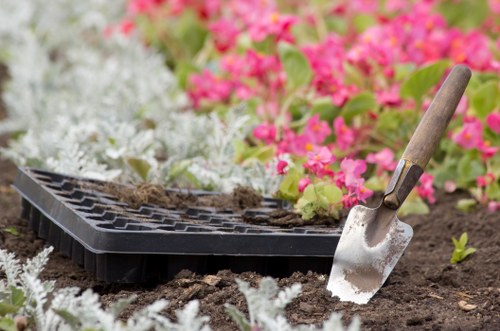
A lawn can be cut to a fair standard and still look unfinished if the edges are not dealt with properly. That is why edging matters: it frames the grass, sharpens the line between lawn and border, and helps beds, paths and paving read more clearly. Where the boundary is overgrown or softened, a more defined edge can make a noticeable difference even without changing the height of the grass itself.
We can also look at awkward corners, narrow strips and areas close to fences or hard landscaping. These are often the places that make a lawn feel untidy if they are left too rough. Depending on the garden, the work may include trimming around obstacles, cleaning up scattered clippings and shaping the cut so the lawn looks balanced from the main viewing points. If your garden includes a mix of soft planting and hard surfaces, a careful finish helps those elements sit together better.
For a more complete service, it is sensible to describe any border detail, slopes or access limits when you ask for a quotation. That lets the mowing and edging be planned as one coherent job rather than several disconnected tasks.
Cuttings, tidy-up work and grass waste
After mowing, the question of what happens to the cut grass matters just as much as the cut itself. Some customers want the clippings collected for a cleaner finish, while others prefer them left lightly on the lawn where that suits the condition of the grass and the season. The right approach depends on the volume of material, the current state of the lawn and how the garden is used after the work is complete.
A tidy-up can also include clearing visible debris from the mowing area, checking for missed strips and making sure the result is consistent from edge to edge. Where the grass has grown long, the job may need a more careful sequence so that the finish does not look patchy. In practical terms, this part of the work is about turning a cut into a presentable garden surface, not just shortening the stems. If you need clippings removed, say so early so the quotation reflects the full scope.
There are simple choices to make before work begins: whether the lawn should be cut short or kept at a moderate height, whether the clippings should be cleared, and whether any small extras such as border touch-ups are needed. A short enquiry helps us match the service to the garden rather than forcing the garden to suit the service.
Related garden maintenance options
Lawn mowing often works best as part of wider garden maintenance rather than a stand-alone task. If the rest of the garden is becoming difficult to keep in order, it can help to combine mowing with other maintenance work so the whole space feels managed in a consistent way. That might include periodic tidying, cutting back growth that spills into the lawn area, or keeping the garden presentable through the season rather than waiting until it becomes heavily overgrown.
Where different parts of the garden need different attention, we can keep the lawn work focused while also respecting the rest of the planting. A mixed garden may need the grass cut without disturbing beds, shrubs or established features. The most useful service plan is the one that balances the lawn with the wider layout. That usually means working with the garden you have, not trying to impose a one-size-fits-all routine on it.
For customers who want a fuller picture, the garden maintenance page gives a useful starting point, while the broader services overview shows how the available work can be grouped. You can review those pages and then decide whether mowing alone is enough or whether a wider maintenance visit makes better sense.
When the lawn needs more than a light cut

Not every lawn is in the same condition, and some require more than a routine trim. A lawn that has been neglected for a while may need gradual attention so the cut remains controlled and the surface is not stressed by removing too much at once. In those cases, the work can involve returning the grass to a manageable level and shaping the lawn back into a clearer, more usable state. The aim is to restore order without making the garden look harsh.
There can also be practical limits. If the grass is very long, damp or uneven, the first visit may need to focus on bringing things back under control before a standard mowing pattern can resume. Similarly, a lawn with hidden obstacles, difficult access or a mixture of grass and weeds may call for a slower and more careful approach. These are normal considerations in garden work, and they are best dealt with honestly rather than promised away. Clear expectations help the finished result make sense.
Where the lawn has drifted beyond a normal maintenance cut, it may be helpful to look at garden clearance as well as mowing, especially if there is surrounding growth that needs attention. If you are unsure how much work is needed, a short description of the condition is enough to begin a quotation.
Choosing the right mowing schedule
One-off mowing and routine visits serve different needs. A one-off job can tidy a garden before visitors, after a busy period or when the grass has got ahead of its usual schedule. Regular visits are more about keeping the lawn at a steady, manageable height and stopping it from drifting into a bigger task. The better choice depends on how the lawn is used, how fast it grows and how much time you want to spend on upkeep between visits.
If you are trying to decide, think in practical terms: does the lawn just need to be brought back into shape, or would it be easier to keep it under control with repeated attention? Some gardens benefit from a steady rhythm that avoids dramatic changes in height. Others are better suited to occasional care. There is no single answer that fits every property, which is why the service should be matched to the garden rather than the other way round. You can ask for a quotation once you know which approach is closer to what you need.
For linked work on the same site, the garden clearance page may be helpful if the lawn area is tangled with other growth, and the landscape gardening page may be useful if the lawn is part of a wider reworking of the outdoor space. The right combination depends on the current condition of the garden.
Supporting your lawn with practical preparation
A straightforward mowing visit is easier to plan when the key details are clear. It helps to say roughly how large the lawn is, whether access is simple or restricted, and whether there are areas you want treated carefully around paths, planting or ornaments. If there are slopes, uneven patches or surfaces that must be avoided, those points are worth mentioning too. This keeps the work efficient and reduces the chance of awkward surprises on the day.
Photographs can also be useful when a lawn is overgrown or partly hidden from view, because they show the condition more clearly than a short message alone. If you can outline whether you need mowing only or mowing plus edging and cuttings removal, the quotation can be matched more closely to the real job. That does not mean the process is complicated; it simply means the work is planned on the basis of the garden in front of us, not a vague assumption. Use the information you have and keep it simple.
For broader outdoor work, the landscaping page is a useful place to explore related services, especially if you are thinking beyond the current mowing task. For a narrower focus on the grass itself, the information already on this page should help you decide what to request first.
About Tooting
Tooting is a district in south-west London within the London Borough of Wandsworth, known for its mixture of residential streets, busy high streets and open public spaces. Its history stretches back to an early settlement mentioned in medieval records, and the area later developed through railway growth and suburban expansion in the nineteenth and twentieth centuries. Today it is commonly associated with Tooting Broadway and Tooting Bec, two familiar centres that sit along the Northern line and help define the local pattern of movement and trade. The district includes a notable range of housing, from Victorian terraces and interwar homes to later infill, giving the streets a varied character rather than a single uniform look. Tooting Commons, made up of Tooting Bec Common and neighbouring green space, provides a large and well-used open area with paths, mature trees and broad recreation space. The locality is also known for Tooting Market and a lively stretch of independent shops, cafés and restaurants that reflect the area’s long-standing diversity. Near the commons, the landscape opens out enough to feel distinct from the denser high street, while routes such as Tooting Bec Road, Upper Tooting Road and surrounding residential streets tie the district together. The area’s identity is shaped by both everyday local life and its position within inner London, with transport links, schools, parks and mixed-use streets all contributing to a place that feels busy, lived-in and recognisable.
Hedge work, boundary lines and the wider garden
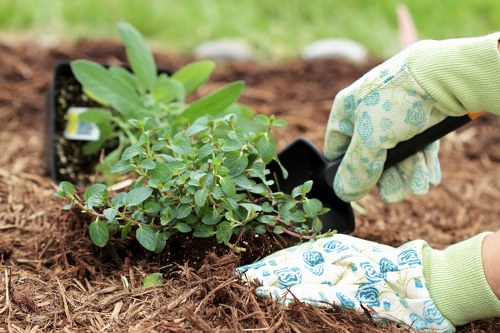
Although this page is about mowing, many gardens look better when the grass is considered alongside the features around it. Hedges, screens, fences and planting borders all affect how the lawn is seen from the house or path. A neat cut can be undermined by overgrown edges above it, while a carefully kept boundary can make a simple lawn feel much more intentional. Where it is helpful, mowing can be planned with nearby trimming in mind so the whole space feels in proportion.
That wider view matters especially in gardens where the lawn meets taller growth or shaded edges. Grass close to shrubs or trees often behaves differently from the main open section, so the mowing pattern may need to be adjusted to avoid patchy results. A good service does not force every section into the same treatment; it keeps the lawn workable while respecting the rest of the space. If you are also dealing with higher growth, the hedge trimming page may be useful alongside this one.
Where trees are affecting light, access or leaf fall, another useful reference point is tree lopping and removal. Not every garden needs that level of work, but it can matter when the lawn is competing with larger growth nearby. The idea is to shape the garden in a sensible order, rather than only dealing with one layer at a time.
How we structure a clear quotation
A quotation for lawn mowing is easiest to put together when the scope is described plainly. The main points are the size of the lawn, the condition of the grass, whether edging is needed, and whether waste should be removed. If there are special access issues or parts of the garden that must be worked around carefully, those should be included as well. This keeps the quote relevant to the actual work, which is better for both sides than trying to keep things vague.
The aim is to avoid unnecessary back-and-forth while still keeping the process accurate. If your lawn is part of a larger outdoor project, mention that too, because it may affect whether mowing is enough or whether additional garden work should be considered alongside it. For some properties, a simple cut will do. For others, the most sensible answer is to combine mowing with a broader plan. Either way, the quotation should reflect the service you actually want, not a generic assumption. Clarity saves time and helps the finished job fit the garden properly.
When you are ready, use the site pages to review the relevant services and then make your request. If the lawn is straightforward, say so. If it needs a little more attention, include that too. The final step is simple: request a quotation.
Options for larger garden projects

Some customers start with mowing because that is the most obvious task, then realise the rest of the outdoor space would benefit from broader attention. In that situation, it can make sense to look at the garden as a whole and decide whether the lawn should remain a regular maintenance task or become part of a wider improvement project. The work might involve reshaping part of the space, improving the layout or simply restoring a clearer line between lawn, planting and hard surfaces.
Where that is the case, the mowing service can sit comfortably beside other outdoor work without losing its own identity. The lawn still needs a clean, disciplined cut, but the bigger picture may include border changes, surface definition or more extensive reorganisation of the garden. The relevant pages on this site make it easier to compare those choices and decide how much of the project to tackle at once. For broader planning, the landscape gardening page and the pricing and quotes page are both useful starting points.
If you want a simple lawn cut in Tooting, or if you are planning a more involved outdoor clean-up, the best next step is to tell us what the space needs and ask for a quotation. That gives you a practical basis for deciding whether the job should stay focused or become part of something larger.